7 Tips For Weathering Pollen Season

Photo by J Lee
Originally posted Spring 2022, updated Spring 2026
I never gave allergies much thought until last spring.
Growing up on the East Coast, I heard plenty of talk about struggles with pollen, but I was lucky enough to never experience symptoms personally. After four years in Colorado — where the conversation about allergies is basically non-existent (Denver tops the list of best places to live if you struggle with them) — I forgot about the phenomenon altogether.
Then we moved back to Richmond.
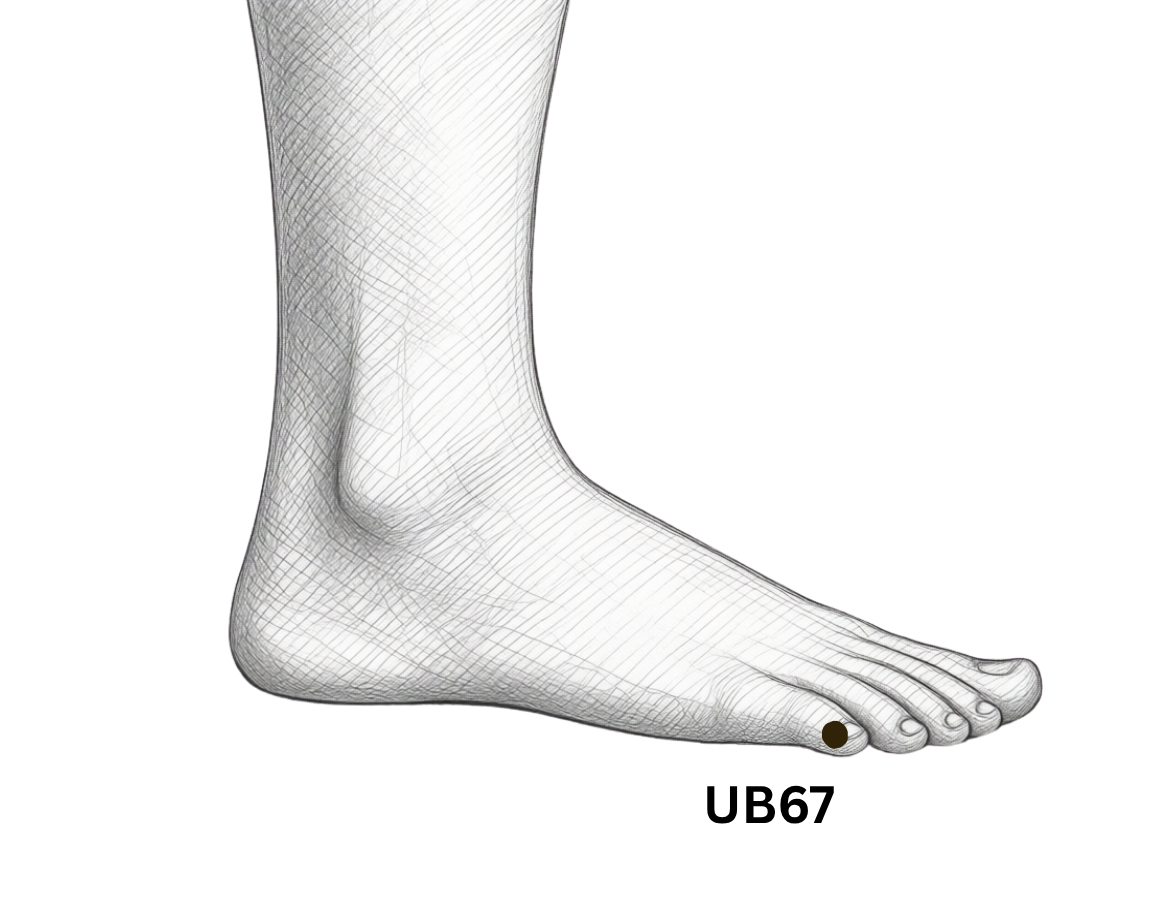
Last spring was our first back in Virginia, and around mid-March things began to fall apart. It started with an itchy throat and progressed into red eyes and nasal congestion. When I called my mom to describe my symptoms — was it COVID? — she laughed. "You don't have COVID, you have allergies. I can hear it in your voice. Welcome to the club." Still on the phone, I looked outside and saw our front porch covered in yellow pollen. Had I really never noticed this before? I suffered through the rest of pollen season 2021 drinking throat-coat tea, self-administering acupuncture needles, commiserating with my newfound seasonal-allergy community, and spending far more time indoors than I wanted to.
In Virginia, late February through summer tends to be the worst stretch for allergy sufferers. According to VirginiaENT.com, tree pollens like oak, maple, and river birch peak during this time, and the dry spring winds accelerate their spread. To make matters worse, there is growing evidence that pollen season is getting longer thanks to climate change.
If you experience any of the following during the spring months, pollen is likely the culprit:
Itchy eyes or throat
Runny nose or nasal congestion
Sneezing
Eye irritation
Last spring the pollen caught me off-guard. This year, I am fighting back.
I vowed that this spring would be different. I started preparing before the first daffodil appeared, and even though we're still a few weeks from full-fledged pollen pandemonium, I can already feel the difference. Here's what's working for me.
The “Better Pollen Season” Action Plan
1. Avoid dairy, sugar, and other “damp” foods
Traditional Chinese medicine sees nutrition as a key component in helping the body clear excess phlegm that may arise during an allergy episode. Dairy products, fatty meats, and processed sugar can affect our bodies ability to clear congestion. Instead, try adding more garlic, ginger, and green tea into your diet to resolve symptoms of dampness. I like this article from acupuncturist Debra Betts which explains more about how dampness affects the body and gives a complete list of foods to include or avoid.
2. Shower at night (with a dash of eucalyptus)
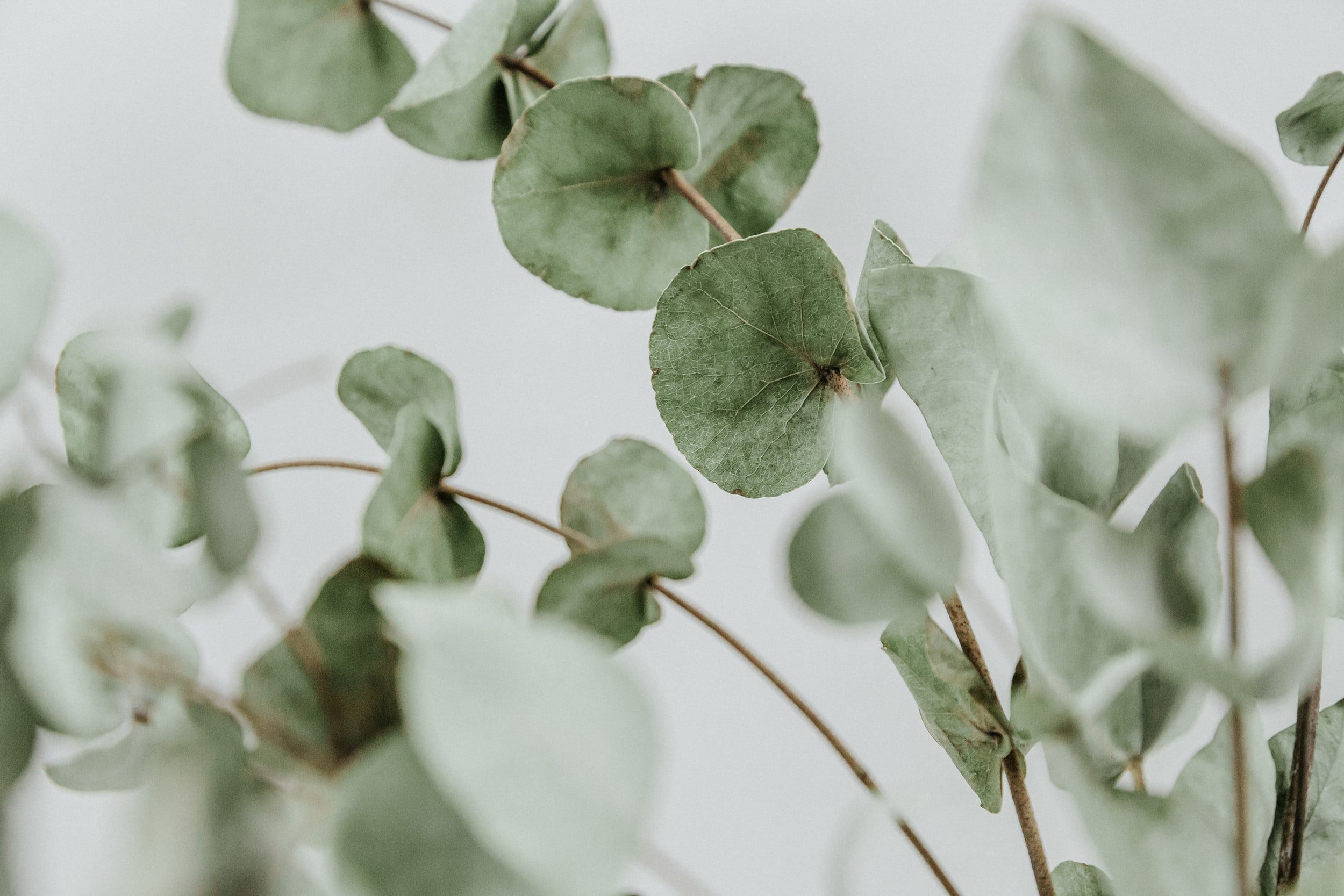
I love a morning shower, but for the next few months I am switching it up. I have two small children so the common allergy advice to “stay indoors” just does not work for me (plus, I don’t think I would want to stay inside even if I could). A shower before bed ensures I am removing excess pollen that accumulated during the day and makes for a better night’s sleep. Add a few drops of eucalyptus oil and let the steam clear nasal passages.
3. Wipe down your pets
My dogs spend most of the day happily rolling around in the grass, then carry all those lovely nature particles into the house for the rest of the family to enjoy. I have started wiping them down in the evening to help keep the outside where it belongs. (This tip works for kids, too.)
4. Filter the air & keep your windows closed
Another game changer this spring has been moving our Medify Air filter into the bedroom and running it 24/7. That combined with keeping our windows closed while pollen counts are high has helped improve symptoms significantly.

Baraka Handcrafted Neti Pot available on Amazon
5. Sinus rinse on the regular
If you experience congestion regularly and haven’t tried the neti pot or another sinus cleansing system, prepare to have your world rocked. Yes, witnessing the saline rinse go in one nostril and out the other can be a tad unnerving during the first use, but it is well worth the discomfort when you are breathing easier moments later! There are a few styles of saline-rinse products on the market, here are two of the most common:
The squeeze bottle version of the neti has gained popularity in recent years. It has a user-friendly, lightweight design and typically comes with pre-packaged salt for less guesswork.
The tea-pot style neti pot (pictured) is the traditional apparatus used for clearing nasal passages. I prefer this style to the squeeze bottle because it allows for more control in water pressure and amount. (It is also the more aesthetically pleasing of the two designs!)
You will also need a pure, non-ionized salt such as Neti Salt to mix with water to make the rinse. I use 1/4 tsp of salt per pot of water, but you may prefer slightly more or less salt based on preference. It is important to use distilled, filtered, bottled or boiled water at room temperature — never tap water — when rinsing sinuses to prevent potential infection. This is an easy article to follow for step-by-step instructions.
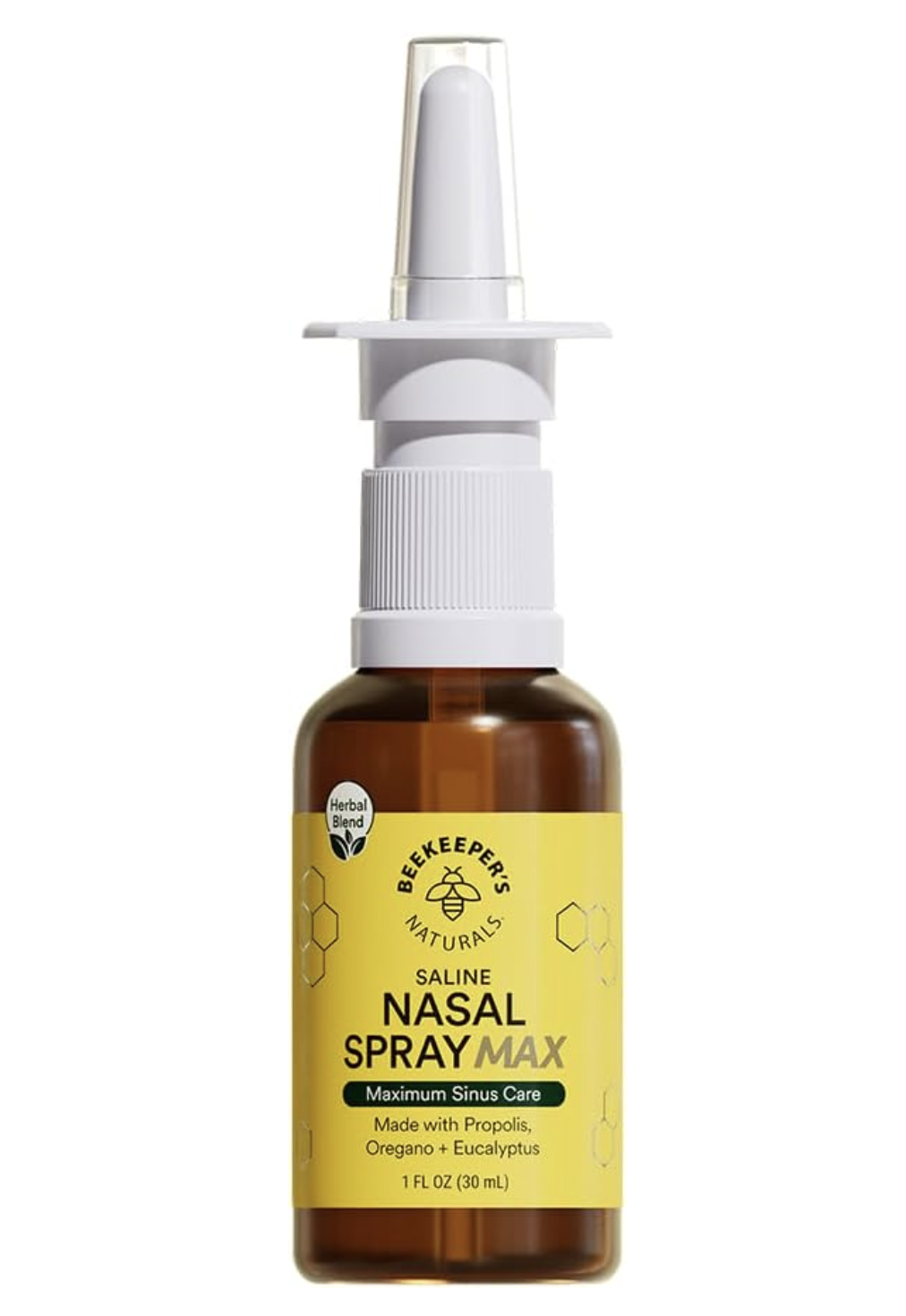
Another product worth keeping on hand this season is the Beekeeper's Naturals Propolis Nasal Spray. This is a drug-free, non-habit-forming alternative to conventional decongestant sprays, which is something I appreciate — most OTC nasal sprays aren't meant for extended use and can actually worsen congestion over time with repeated use.
The formula combines propolis, oregano oil, eucalyptus, xylitol, and saline to help clear nasal passages and flush out irritants like pollen and pollution. Propolis in particular is a fascinating ingredient — it's a resin-like compound bees produce to protect their hives, and it has well-documented antimicrobial and anti-inflammatory properties. Paired with the natural decongestant effect of eucalyptus and oregano oil, this spray can offer real relief without the chemical load.
It's a good complement to regular sinus rinsing with a neti pot, or on its own for mild congestion. Just shake, spray twice, and gently blow your nose to clear things out.
6. Try Quercetin Plus by Natura

One supplement I've started recommending regularly is Quercetin Plus by Natura Health Products. Quercetin is a polyphenol found naturally in foods like onions, apples, and green tea, and it works as a mast cell stabilizer — meaning it helps prevent the histamine release that triggers allergy symptoms in the first place, rather than simply blocking symptoms after they've already started. The Natura formula pairs quercetin with nettle leaf (a traditional remedy for seasonal allergies), vitamin C, and bromelain to enhance absorption and broaden its anti-inflammatory effect.
Research supports quercetin's role in modulating immune and inflammatory pathways, and it's one of the more well-studied natural options for histamine-related symptoms. Some people find it helpful to take it daily in the weeks leading up to peak pollen season, while others use it as-needed at the first sign of congestion or itchy eyes.
As always, check with your healthcare provider before starting any new supplement, especially during pregnancy.
7. Regular acupuncture treatments
Acupuncture is known to be beneficial when it comes to treating excess inflammation in the body. This is one reason research has shown a direct correlation between regular acupuncture treatments and the reduction of allergy symptoms. In my practice, I use a combination of local points around the nose and head with distal points on the wrists and elbows to help resolve nasal congestion, sinus pressure, and other common allergy symptoms. The points next to the nose, known as LI20 and BiTong, seem to work a particular kind of magic as many report their nasal congestion feels reduced before the end of treatment.
Some Final Thoughts
There are certainly other options out there for the prevention and treatment of seasonal allergy discomfort: a variety of herbs, teas, local honey, choosing over-the-counter or prescription medications with your primary care provider, and maybe riding out the season in Colorado — just to name a few. On the other hand, maybe not everything on this list resonates or you don’t need to go all out and, for example, obsessively clean your animals and air on a daily basis. This article was intended more as food for thought, take what you like and leave the rest behind.
As always, if you have any questions or comments please feel free to shoot me an email and I’d be happy to connect. Thanks for reading, and godspeed to you all during the rest of this pollen season!
Disclaimer: This post contains affiliate links which means I may receive a commission if you decide to make a purchase through my links. This general information is not intended to diagnose any medical condition or to replace your healthcare professional. I only link to products that I have personally tested and in whose quality and safety I feel confident, however, you should always consult with your medical provider before making any decision regarding supplements, exercise, and other health practices. For more information visit my Health Disclaimer and Affiliate Disclosure pages.

YOU MAY ALSO ENJOY:

LATEST POSTS: