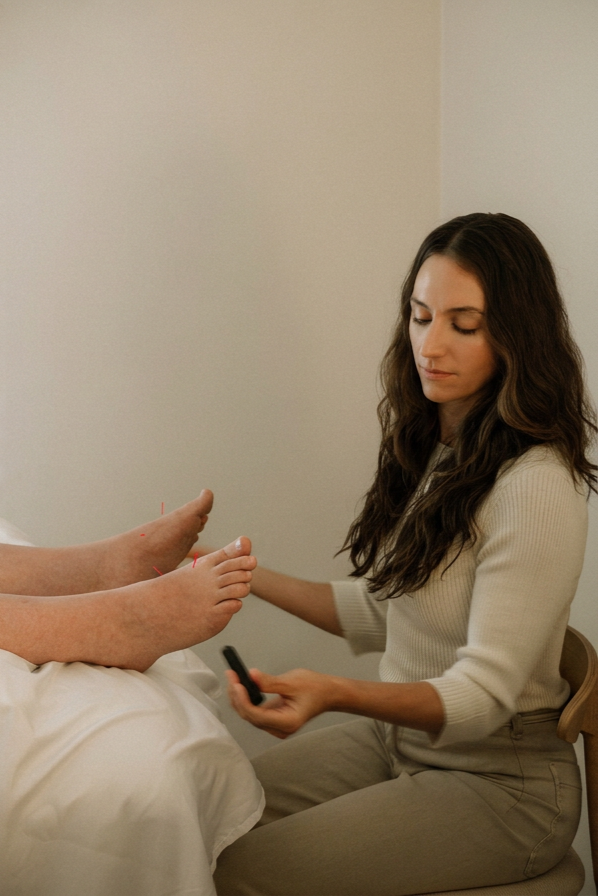
Turning a Breech Baby with Moxibustion
When a baby settles bottom or feet first in the uterus, it's called a breech position. This happens in about 3 to 4 percent of full-term pregnancies. One traditional Chinese medicine technique that has been used to encourage the baby to turn to a head-down position is moxibustion.
If you've just learned your baby is breech, I know it can bring up a lot of feelings. You don't have to figure this out alone. I'd love to support you through this window with gentle, hands-on care and simple tools you can use at home. View my schedule to book a session, or contact me if you have questions or would like a free consultation first.
Keep Reading ↓
✷ What to expect during your appointment
✷ At-home moxibustion protocol
✷ Frequently asked questions
What is moxibustion?
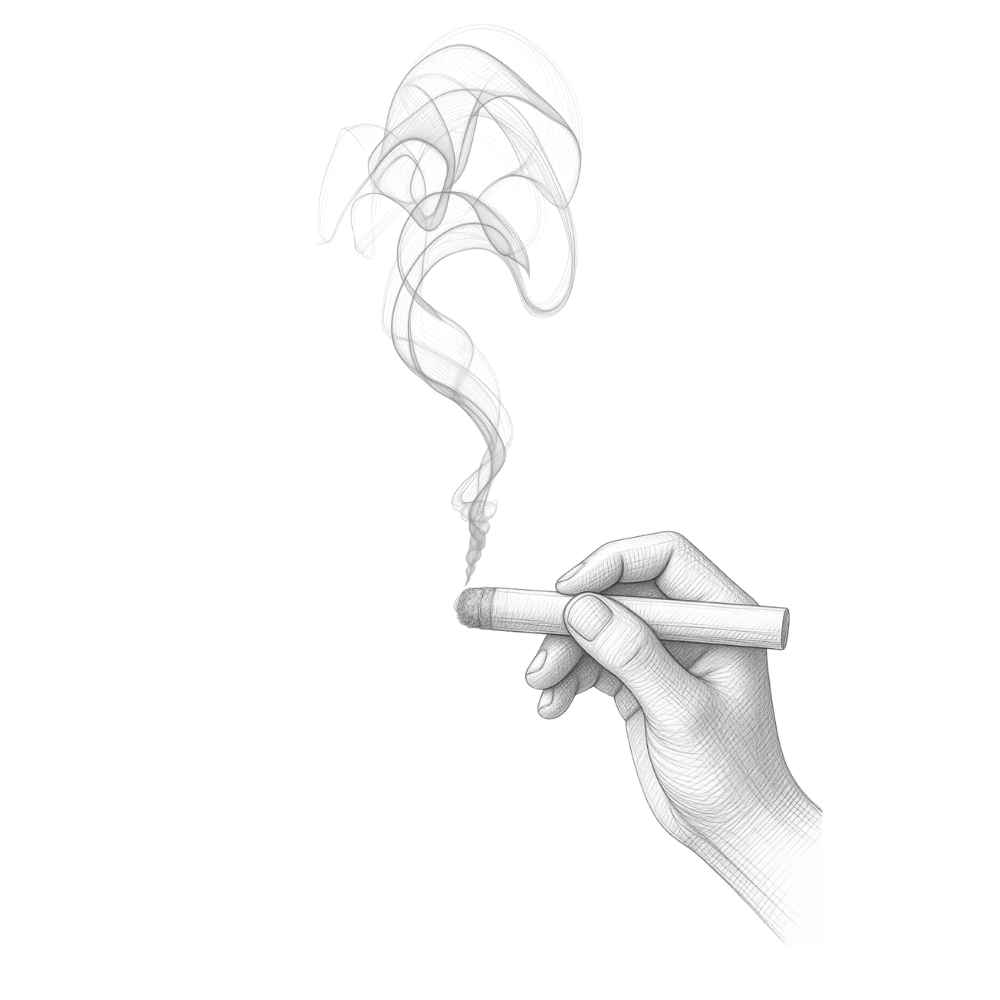
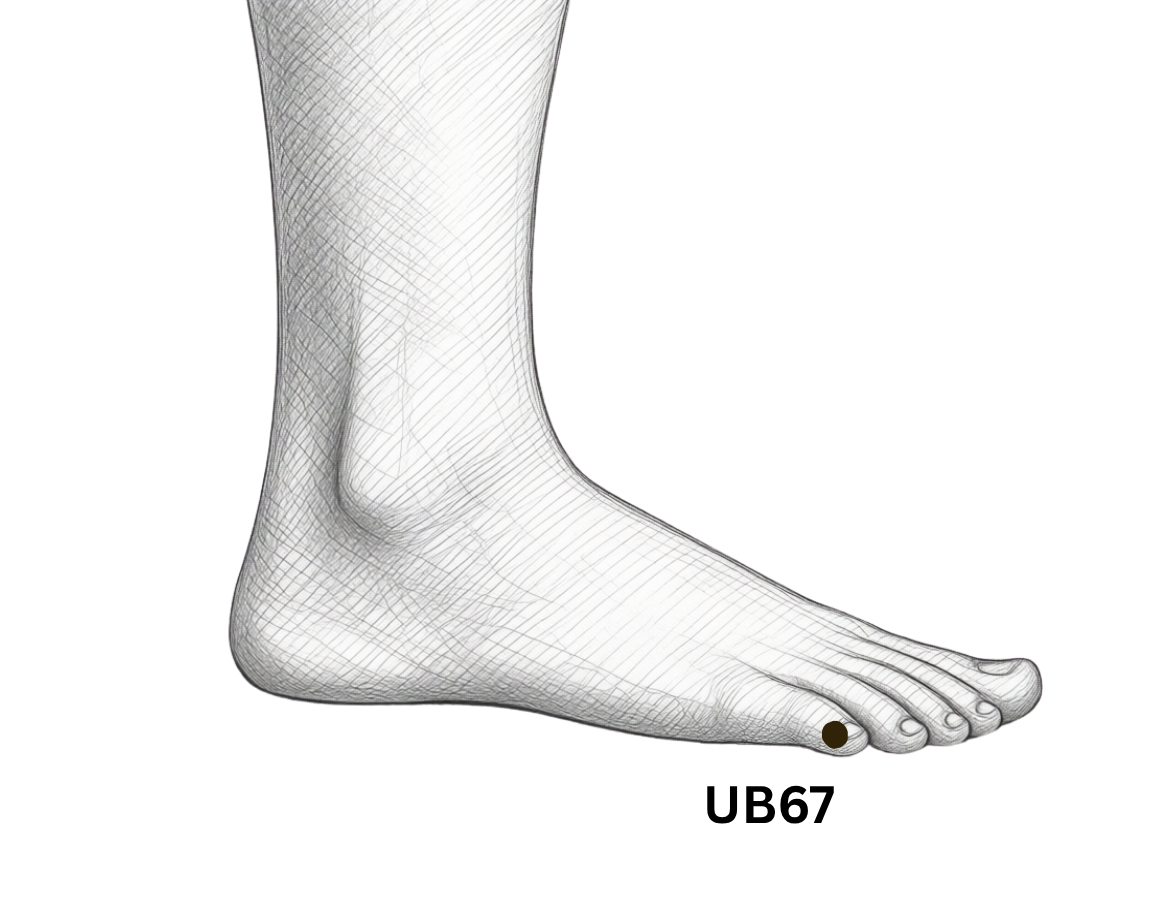
Moxibustion, often called moxa, is a traditional Chinese medicine technique that uses the dried herb mugwort (Artemisia vulgaris) to warm specific acupuncture points. For breech babies, we focus on a point called Bladder 67 (Zhiyin), located at the outer corner of the pinky toenail. Warming this point is thought to encourage gentle uterine activity and increase the baby's movement, which can help them find their way into a head-down position.
What to expect during your appointment
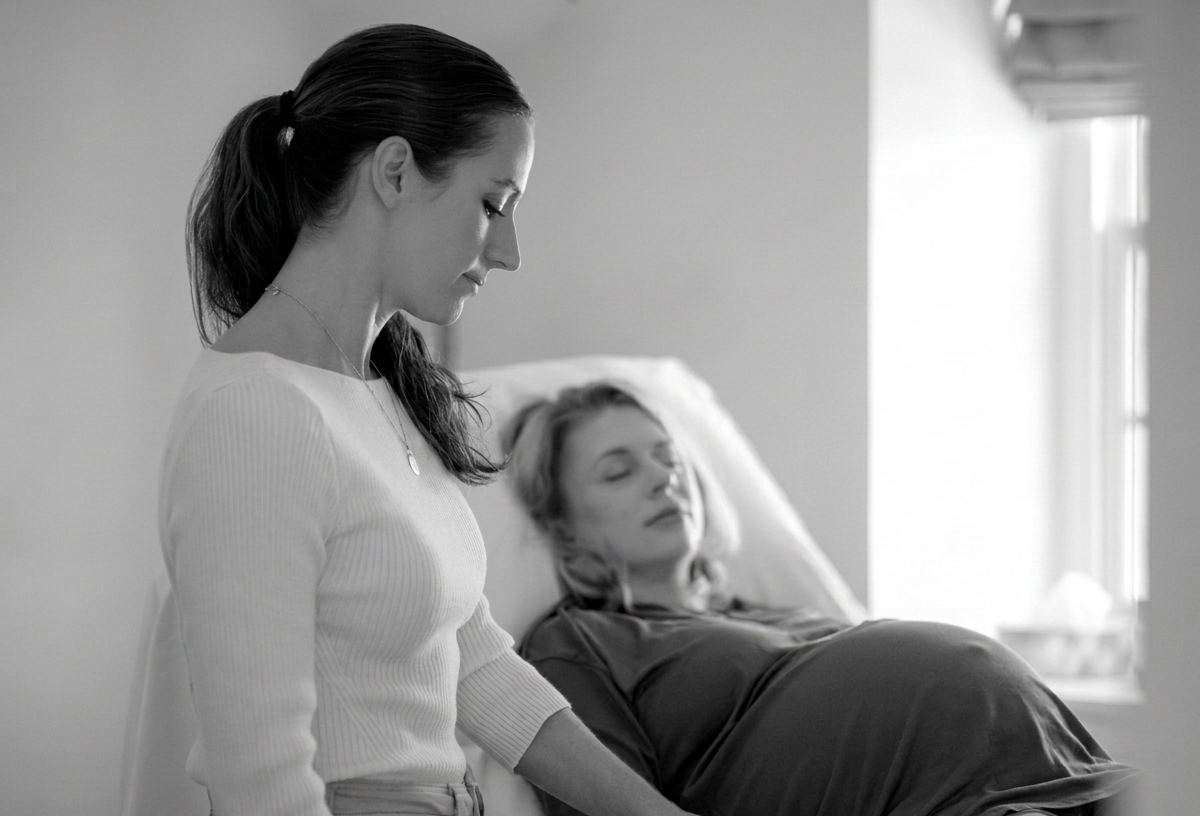
Before your visit, please fill out the intake form so we can make the most of our time together. Wear loose, comfortable clothing that lets you move easily and gives me access to your lower legs and feet. Your partner or support person is welcome to join you and learn how to do moxibustion at home, but it isn't necessary. I'll make sure you have everything you need either way.
We'll begin by talking through your situation and taking a detailed health history. I want to understand how your pregnancy has been going, what you've heard from your provider, and anything else on your mind. If you're dealing with other discomforts, like back pain, trouble sleeping, or stress, we can address those too.
Next, I'll guide you through a few gentle stretches to help open the hips and create more space in the body for your baby to move.
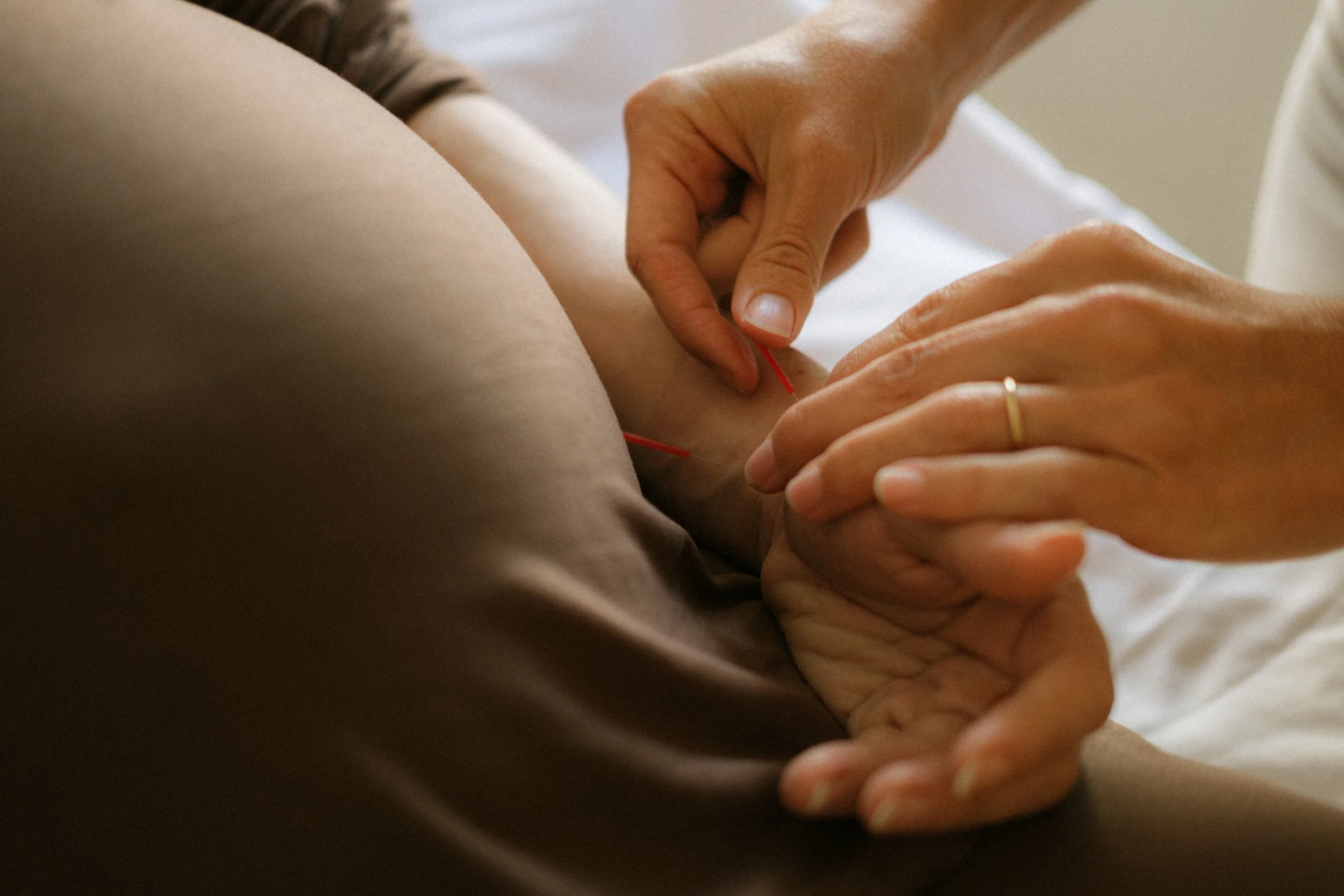
If you're comfortable with needles, we'll start with acupuncture. I'll place very fine, hair-thin needles in specific points to help you relax and to support any other symptoms you're experiencing. If needles aren't for you, that's completely okay. Acupuncture is optional, and you can still receive moxibustion on its own.
I'll then perform moxibustion for about 10 minutes, so you can see and feel what it's like. Afterward, you'll have time to rest quietly for the remainder of your session.
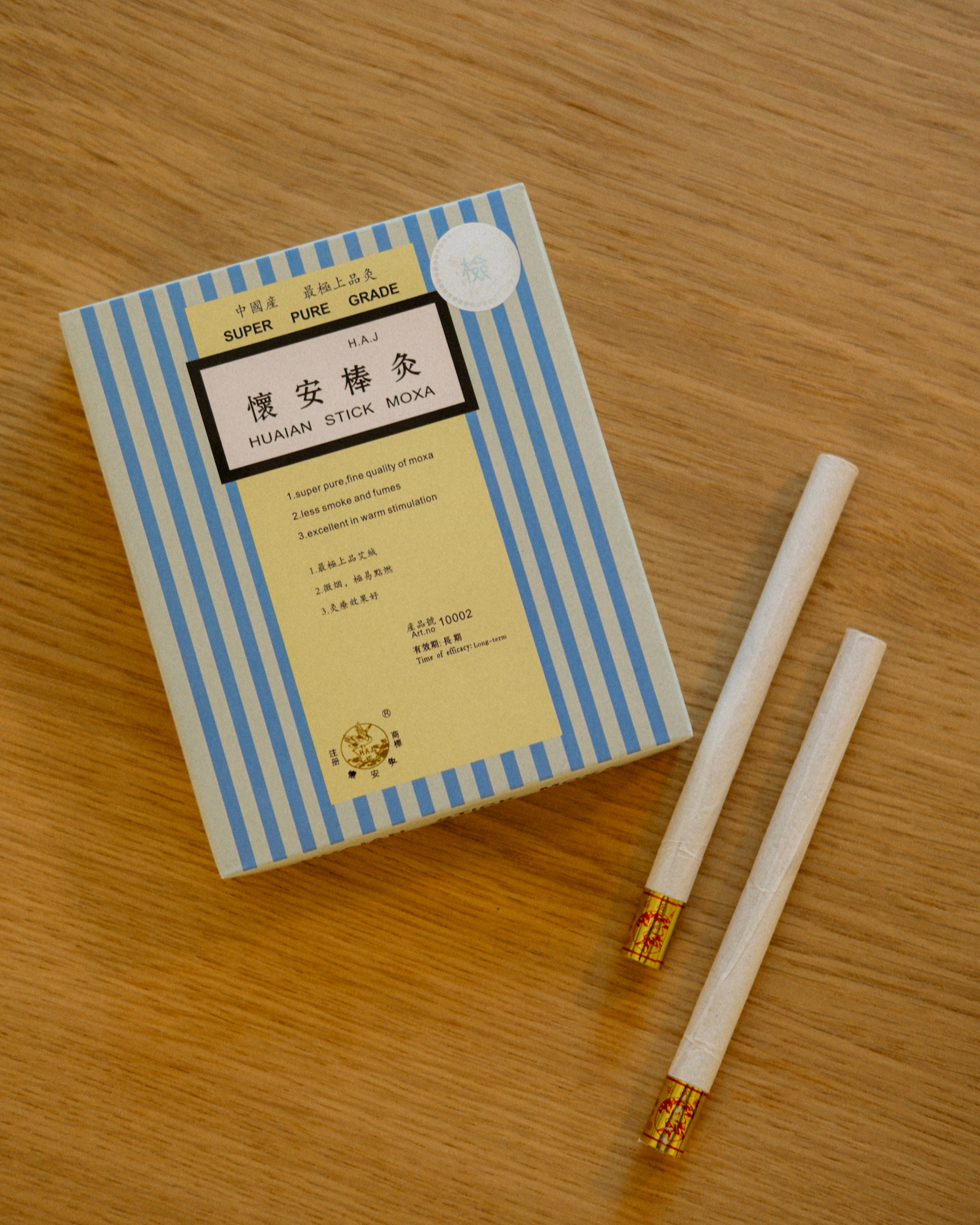
Before you leave, I'll send you home with moxa sticks and clear instructions so you can continue the treatment each night.
At-home moxibustion routine
Open the hips.
Before each session, move through 10 to 20 rounds of cat-cow to create more space in the pelvis for your baby to turn.
Apply the moxa.
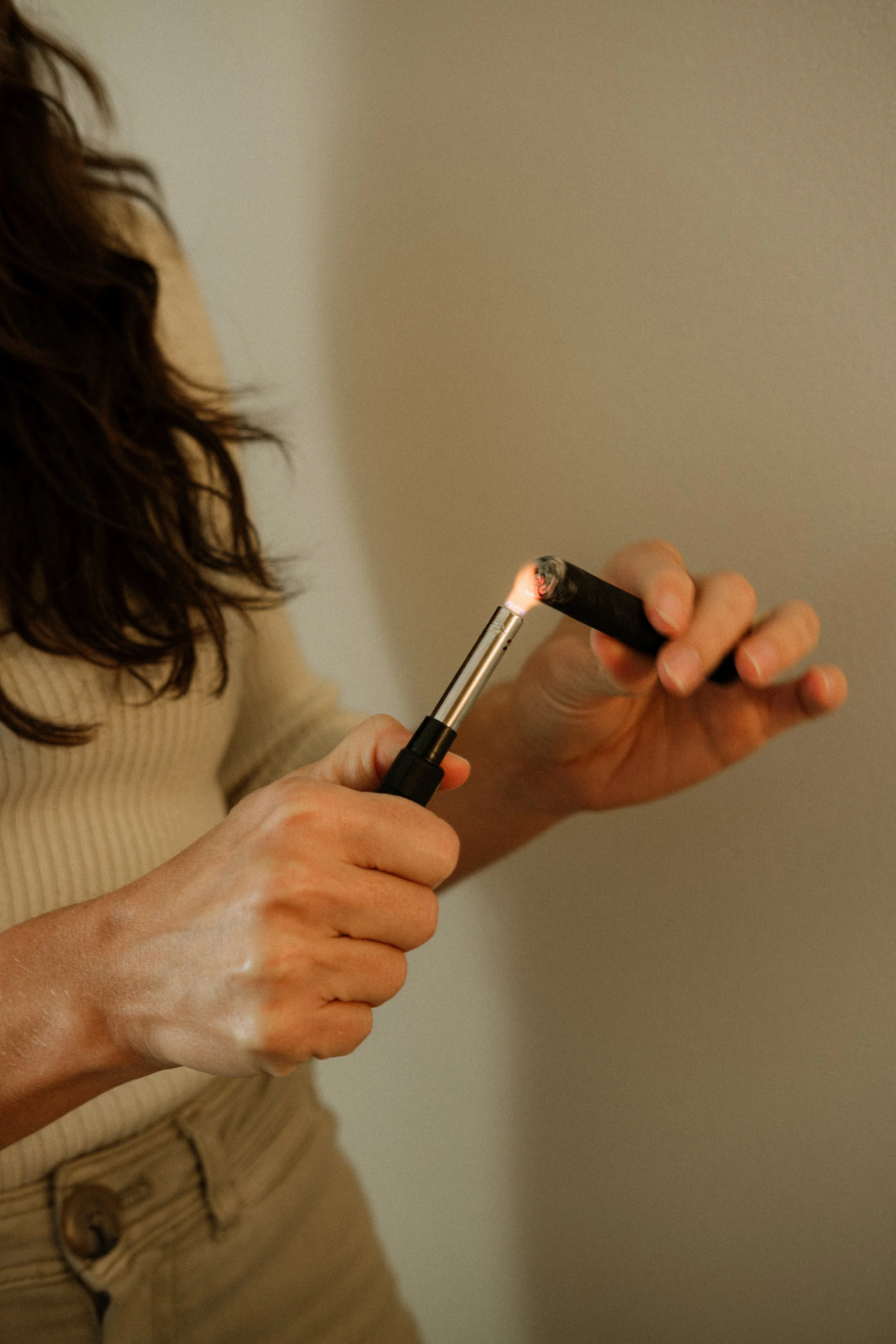
With the help of a partner or support person, warm the Bladder 67 point on each pinky toe for about 10 minutes per side. Use a "sparrow pecking" motion, gently moving the lit stick toward and away from the toe, so the area feels warm but never too hot. Lighting the stick from a candle works well, and you can snuff it out in a fire-safe container to reuse next time. Work in a well-ventilated room, as moxa does produce smoke.
Rest.
Afterward, lie on your side for a little while to give your baby room to move.
Repeat.
Continue nightly for up to one week, and check in with your midwife or OB to confirm your baby's position.
How I Can Help
Pairing moxibustion with acupuncture during this window may increase its effectiveness. In a session, I'll show you exactly how to use moxa at home, send you off with everything you need, and support your body and nervous system through this stage of pregnancy. If you'd like to book an appointment or a free consultation, please reach out.
Please check with your prenatal care provider before starting moxibustion or any new treatment during pregnancy, to make sure it's right for you.
Frequently Asked Questions
-
Often there’s no clear reason. Most babies settle head-down on their own by around 37 weeks. Breech is more common with twins or multiples, when a baby arrives early, or when the shape of the uterus leaves less room to turn.
-
The research is encouraging. A 2023 Cochrane review, which looked at 13 studies and more than 2,000 pregnant people, found that moxibustion added to regular prenatal care probably lowers the chance of a baby still being breech at birth. It doesn’t work for every baby, but it’s a gentle option that many people find worth trying.
-
Earlier is better. The research supports starting before 37 weeks, and I usually recommend beginning around 33 to 35 weeks, while your baby still has room to move. If you’re further along, reach out anyway and we can talk through whether it still makes sense for you.
-
Yes. Moxibustion is designed to be done at home with help from a partner, family member, or friend. I’ll show you both exactly how to do it safely during our first visit, so you feel confident before you try it on your own.
-
Most people notice their baby moving more, and some feel mild tightening or contractions. The main thing to watch for is holding the stick too close, which can cause a small burn. If anything feels off, stop and check in with me or your provider. Often, people feel deeply relaxed during the session and a sense of calm for a few hours after they leave.
-
Yes, and I often recommend it. Acupuncture can support the process, and moxa works well alongside chiropractic, massage, and physical therapy. If your provider has suggested an external version, where a doctor turns the baby by hand, moxibustion can be used in the weeks leading up to it.
-
Every pregnancy is different, but most people come in for one to three visits over the course of one to two weeks. Your first appointment is the most important, since that’s where you’ll learn how to do moxibustion at home and leave with everything you need. From there, follow-up acupuncture sessions can help support the process while you continue moxa each night. Once your provider confirms your baby’s position, we can talk about whether more visits would be helpful or whether you’d like to shift our focus to preparing for birth.
-
No, you’re welcome to book your first appointment online right away. Since timing matters with a breech baby, I’d encourage you not to wait. If you have questions first or aren’t sure whether moxibustion is right for you, I’m always happy to set up a free consultation. Just reach out and we’ll find a time to talk.
Coyle ME, Smith C, Peat B. Cephalic version by moxibustion for breech presentation. Cochrane Database Syst Rev. 2023;5(5):CD003928. doi:10.1002/14651858.CD003928.pub4
Cardini F, Weixin H. Moxibustion for correction of breech presentation: a randomized controlled trial. JAMA. 1998;280(18):1580-1584. doi:10.1001/jama.280.18.1580
Vas J, Aranda-Regules JM, Modesto M, et al. Using moxibustion in primary healthcare to correct non-vertex presentation: a multicentre randomised controlled trial. Acupunct Med. 2013;31(1):31-38. doi:10.1136/acupmed-2012-010261
Schlaeger JM, Stoffel CL, Bussell JL, et al. Moxibustion for cephalic version of breech presentation. J Midwifery Womens Health. 2018;63(3):309-322. doi:10.1111/jmwh.12752
Morris S, Geraghty S, Sundin D. Moxibustion: an alternative option for breech presentation. Br J Midwifery. 2018;26(7):440-445. doi:10.12968/bjom.2018.26.7.440
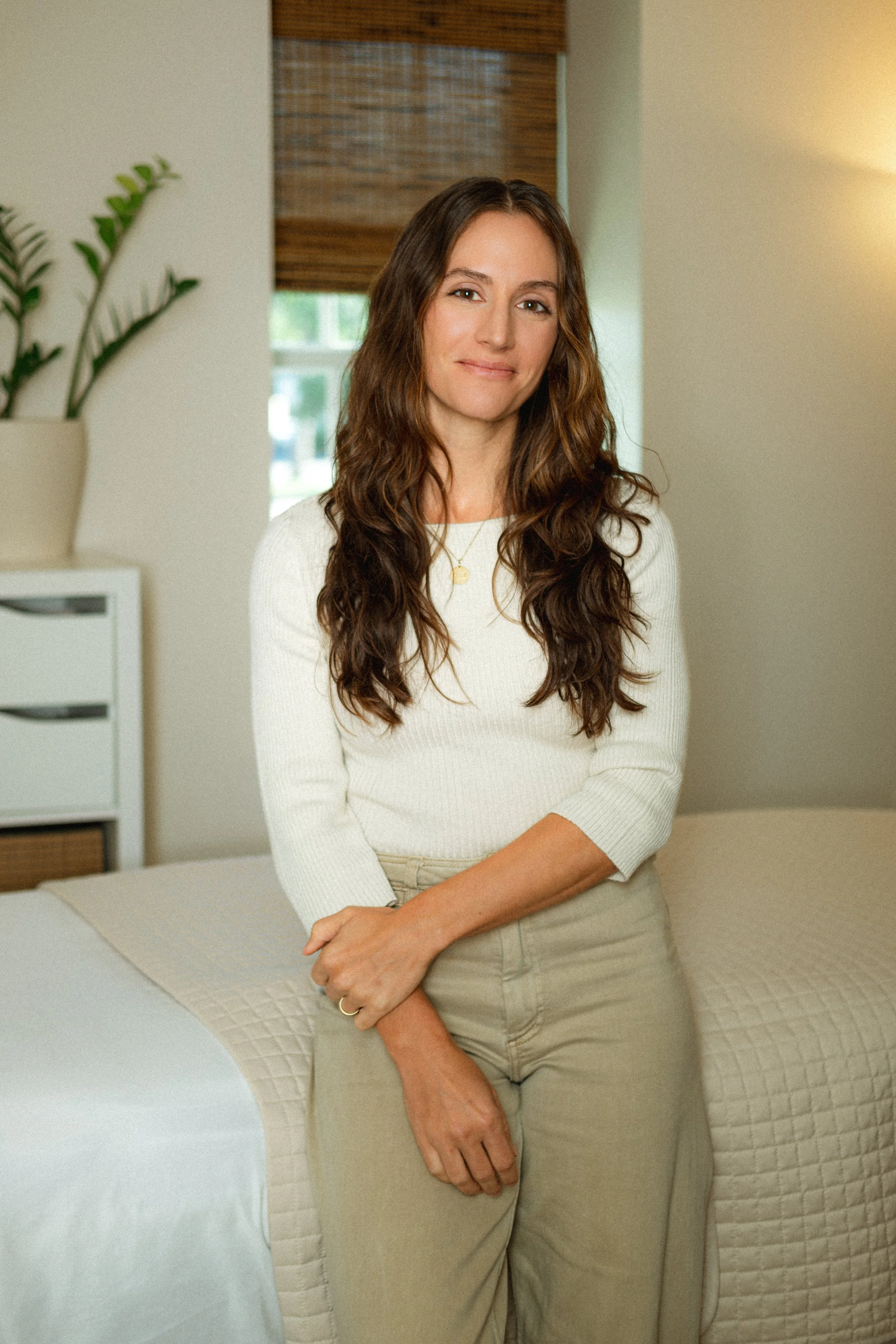
I’m Elizabeth Fuqua, L.Ac., a nationally board-certified and Virginia-licensed acupuncturist with advanced training in pregnancy and postpartum care. As a mom of two, I know firsthand how demanding pregnancy can be, especially while balancing work, family, and everything else life asks of you. I try to make care simple and supportive for my pregnant clients, with practical tools you can easily use at home. I’m also a proud member of A Brighter Birth, a collective of perinatal care providers serving Richmond-area families.